
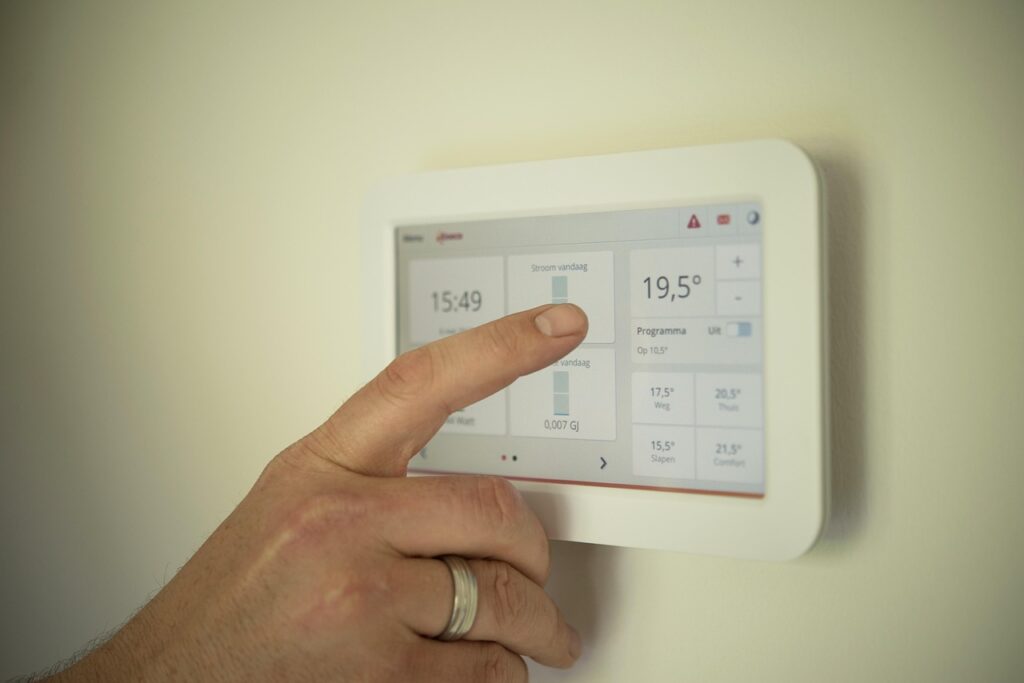
When an electric bill rises during an Austin summer, the air conditioner is an obvious place to look, but it may not be the only factor. Outdoor temperature, how long the system runs, airflow, duct condition, and thermostat settings all affect how much cooling your home needs. A few observations can help you narrow down what is changing.
Start with how the home is cooling
Check whether the system is running longer than it used to, whether some rooms feel warmer than others, and whether airflow from the vents seems weak. A dirty filter or blocked return grille can restrict airflow. Replace a dirty filter with the correct size and make sure furniture or curtains are not covering vents. If airflow remains weak or the system cannot reach the set temperature, arrange a professional check rather than lowering the thermostat repeatedly.
Also consider the weather and your household routine. A long stretch of hotter days, more people at home, or added heat from cooking can increase cooling demand. Closing blinds during strong afternoon sun and using a thermostat setting you find comfortable can help limit the work the system has to do. Avoid making abrupt changes based on a single day’s bill; compare usage across similar periods if you can.
Understand what a heat pump does
A heat pump is not just an air conditioner with a different name. In warm weather, it moves heat from inside your home to the outdoors, much like an air conditioner. In cooler weather, it can reverse direction and move heat indoors to provide heating. That means one system can provide both cooling and heating.
How much energy a heat pump uses depends on the equipment, installation, outdoor conditions, and the home itself. It is not possible to predict savings from the system name alone. If you are comparing equipment, ask how the options fit your home and what factors affect their expected performance.
Look for underlying system problems
Persistent high bills along with uneven cooling, unusual sounds, water near indoor equipment, or frequent cycling are reasons to have the system evaluated. A tune-up can identify maintenance needs, while a service call can investigate a specific problem. Duct leaks or other airflow issues may also affect comfort and energy use, so mention rooms that never seem to cool properly.
Bluebonnet Air installs and services central air, heat pumps, and ductless mini-splits, and handles Austin Energy rebates for qualifying Energy Star equipment. Its $189-a-year maintenance plan includes two tune-ups and priority scheduling. Get in touch to discuss a high bill, system concern, or equipment options.